
SPECIALITIES
Anxiety and Depression Psychologist in Málaga
Sometimes the life we lead, certain accumulated emotional burdens, or tension sustained over time can affect us. We may start to feel melancholy, sadness, apathy, difficulty concentrating, etc. Depression can be the result of many situations and factors sustained over time.
On the other hand, suffering from an anxiety disorder for a long period of time can lead to depression.
Would you like me to help you manage your distress? We can work together so that you can finally feel better.
WHAT DOES IT INVOLVE?
Anxiety and depression are among the conditions affecting the greatest number of people in the 21st century
According to the WHO, it is estimated that more than 264 million people worldwide suffer from depression and around 284 million experience anxiety.
Addressing education and the promotion of good mental health is crucial for society.
Women suffer more from anxiety and depression, with the consequent use of psychotropic medication.
Seeing a professional in time is important for recovery and improvement.
There is a gender perspective in mental health.
IF YOU THINK YOU ARE EXPERIENCING ANY OF THESE ISSUES, I WILL BE DELIGHTED TO ASSIST YOU.
With severe or very severe symptoms, these can become disorders, and they are among the most common in the population, with a higher prevalence in women according to studies.
They can occur at some point in a person’s life due to adverse personal circumstances, and genetic factors may also play a role.
If the symptoms of depression are not serious or severe, there are no recurrent thoughts of suicide or death, and it is not associated with another disorder — as often happens — or with substance use, psychological therapy alone may be an option, according to the professional’s criteria. In general, improvement is usually seen after several sessions.
In therapy, work is carried out on aspects such as lifestyle, learning to control thoughts, emotions and warning signs, identifying risks, and more. All of this will also be relevant for future prevention.
- Anxiety
- Depression
- Addictions
- Severe personality disorders
- Grief
- Trauma
- Suicide
ACTIVELY WORKING AGAINST DEPRESSION AND ANXIETY IS POSSIBLE.
Depression and anxiety: sadness about the past, fear of the future. What matters is the HERE AND NOW
There are other cases in which depression and anxiety may be related to other disorders, such as Borderline Personality Disorder (BPD), substance abuse, Bipolar Disorder (BD), Attention Deficit Hyperactivity Disorder (ADHD), etc. That is why a good assessment and diagnosis are very important to verify whether or not it is related, whether it is secondary to another personality disorder, and to refer to psychiatry if appropriate in order to receive pharmacological treatment.
Anxiety disorder is the most common and affects women more than men: 8.8% in women and 4.5% in men.

Cognitive Behavioural Therapy, EMDR, third-generation therapies.
An assessment is carried out, with a conceptualisation of each case. The external and internal factors that are maintaining the problem are addressed: thoughts, emotions, lifestyle, habits, interpersonal relationships and traumatic events.

EMDR
Bilateral stimulation reprocessing is carried out through targets — events — that may be at the origin of the problem or maintaining it, so that the brain can process them in a more appropriate and adaptive way.
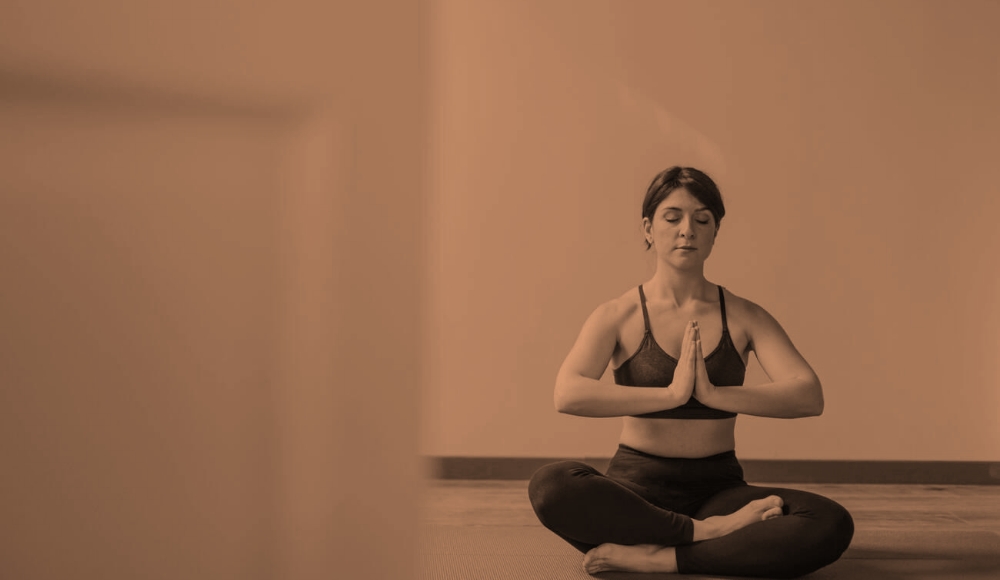
Third-generation therapies: ACT, DBT, Mindfulness
These are characterised by their focus on acceptance, mindfulness and commitment to personal values — there are things we cannot change, while others we can — also emphasising emotions and thoughts, and the way we speak to ourselves.
Book an Appointment
Contact me and request a consultation.
I’ll be delighted to assist you!
LEAVING DEPRESSION AND ANXIETY BEHIND IS POSSIBLE
Living without depression and anxiety. Recovering enthusiasm
It depends on the severity of the case and the symptoms, but it is recommended that, for approximately the first six weeks, appointments be weekly and then fortnightly. However, this will depend on each case, the symptoms and the associated risks.
Perhaps you have not known how to listen to the signals your body or mind were giving you; perhaps you have abandoned yourself and prioritised other matters. Suddenly, one day, you or those around you realise that you no longer smile or enjoy things as you used to, that you are irritable, sad, apathetic, and cannot concentrate well… this is the time to take care of yourself. You must now be your priority.
ANSWER YOUR QUESTIONS
Frequently Asked Questions
Depression and anxiety are very common problems in the population. It is important to detect the warning signs in time so that they do not worsen.
Taking care of mental health is prevention, but it also means taking action when we feel unwell and overloaded for a certain period of time.
I have extensive experience in these cases. It is possible to recover the well-being you desire, always realistically and by working actively. Creating change depends to a large extent on each of us.
There are genetic and environmental factors in depression and anxiety. Nothing can be done about genetic factors, but we can learn how to prevent them from appearing through our lifestyle, our way of thinking, how we manage emotions, how we handle stress and life’s worries, and our social life. All of this can be learned and managed; therefore, recovery is possible, although if the symptoms are severe, pharmacological support will be needed.
All this learning will also be useful for prevention.
You should see a professional if you feel that this anxiety is difficult to manage and that you have been feeling this way for several weeks. There are different anxiety disorders, characterised by fear or distress that interferes with daily life, excessive anxiety, and more.
If you were suffering from generalised anxiety, a series of questions would need to be asked to see what is affecting you and how it is interfering with your life.
Whatever the case may be, placing yourself in the hands of a professional is the most appropriate option, and you will surely improve.
The professional’s criteria after the assessment is important. If the professional who has treated you believes that you should take medication in addition to receiving therapy, it is because they have assessed that, according to certain symptoms and characteristics, you are suffering from severe or complicated depression, and that combining both treatments will be beneficial for you.
If you have not fully understood this matter, it is important that you ask your psychologist directly why they consider it appropriate and beneficial.
When symptoms are mild or moderate and there are no other serious associated disorders, generally — and also under professional criteria — regularly attending psychological therapy for a period of time would be sufficient.
The answer is yes.
Some of these symptoms may include excessive worries, fears, difficulty sleeping, nightmares, irritability, changes in appetite, difficulty separating from a parent when this was not previously the case, and setbacks in urination, known as enuresis — wetting accidents — which may occur during the day or at night.
If you notice that your son or daughter may have these symptoms, it is preferable to see a professional as soon as possible so that they do not worsen and a solution can be put in place promptly.
Get in touch
Contact
I’m here to listen, understand and support you on your journey toward emotional well-being. Contact me to begin this path together. I’ll be delighted to help you!
Address
Email:
WhatsApp:
Opening Hours:
L - V: 00:00 - 00:00