
SPECIALITIES
Addiction and Trauma Psychologist in Málaga
Addictions are one of the issues that most affect overall health. They cause significant distress to the person, their family and their environment. An addiction is not a vice or a bad habit; it is a mental health condition.
Nobody chooses to become addicted, but without realising it, it can happen. Most people with addictions are not aware of it until, in many cases, they hit rock bottom.
WHAT DOES IT INVOLVE?
What are addictions?
Many addictions may occur alongside other personality disorders, which is why a good initial assessment and diagnosis are necessary in order to approach treatment properly.
Addictions require the work of multidisciplinary teams and, in many cases, admission to specialist centres.
Family and couples therapy is a constant need, as they also carry a significant burden of suffering.
Depending on each case, an individualised therapeutic pathway is created, where I refer patients to the best professionals so we can work together under an outpatient therapy model. If necessary, after prior assessment, referral is made to specialist centres for admission.
Addictions in adults
Any adult may develop addictive behaviours at some point in their life. Family and close surroundings, if they notice it, can play a crucial role in helping the person seek treatment.
Substance addiction
Alcohol, THC, cocaine, amphetamines, ecstasy, heroin, barbiturates.
Addictions in adolescents
The most common addictions among adolescents are to THC, new technologies and online gambling. This triggers, among other issues, anxiety, and affects attention and interpersonal relationships.
Behavioural addiction
Relationship addiction/codependency, addiction to new technologies, shopping, sex and gambling.
RECOMENDADO PARA
Lorem ipsum dolor sit amet
Lorem ipsum dolor sit amet, consectetur adipiscing elit. Vivamus faucibus tortor elit, id ultrices metus tincidunt non. Suspendisse potenti. Nunc venenatis convallis eros eu egestas. In posuere neque diam, id tincidunt tortor fringilla nec. Vestibulum ut sapien sapien.
- Ansiedad
- Depresión
- Adicciones
- Trastornos graves de personalidad
- Duelo
- Trauma
- Suicidio
WHAT ARE THE TREATMENTS?
Living freely means living without addiction.
Addictions are compulsive behaviours in which the person cannot control, through willpower alone, the impulse not to do them, despite knowing the negative consequences and how they are affecting their life.
Depending on their severity, they can affect the personal, financial, family, social, work or academic areas of life. When an addiction is severe, all these areas are affected. Some addictions may lead directly to death due to the substance, or increase the risk of suicide.

Addictions in young people
An assessment and an individualised therapeutic pathway are carried out, also involving the family.
These are vulnerable ages, and it is easy to be more influenced by social pressure, groups and trends, while risks are minimised.

Addictions in adults
An adult may develop one, two or more addictions at any point in their life.
A detailed assessment is carried out, working jointly with other mental health professionals, as well as with the family and partner.
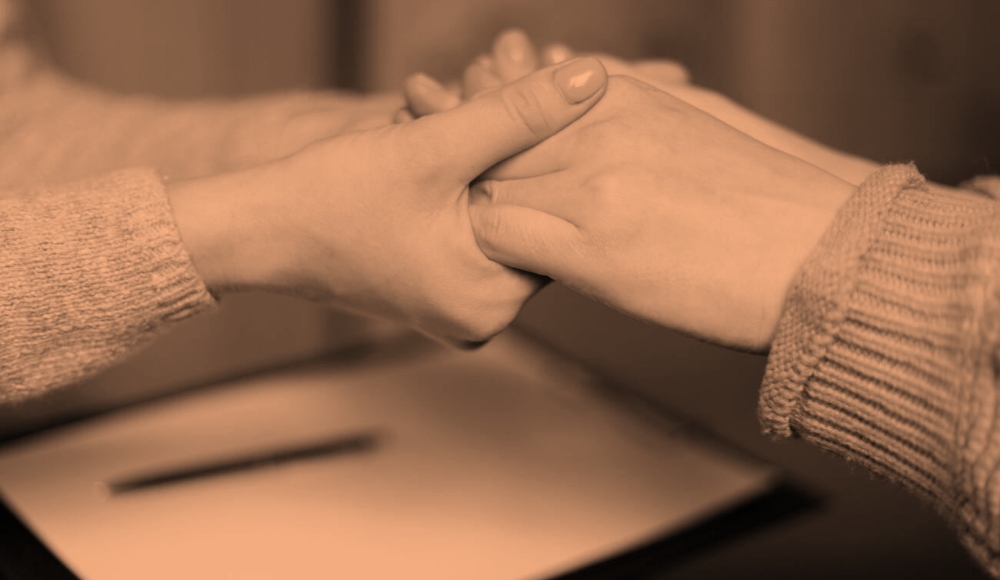
Psychological therapy
Different techniques are used from approaches such as Cognitive Behavioural Therapy (CBT), EMDR, Acceptance and Commitment Therapy (ACT), relaxation and Mindfulness, among others. The treatment and techniques are individualised according to age, addictions, educational level, culture, and from a gender-sensitive and multicultural perspective.
Book an Appointment
Contact me and request a consultation.
I’ll be delighted to assist you!
WORKING ON ADDICTIONS
My new, fuller life without addictions
FIRST PHASE: RECOGNISING THE PROBLEM
Identifying that there is a problem is the first step towards creating change.
SECOND PHASE: DETOXIFICATION
If substances are involved, this phase usually lasts several weeks and pharmacological treatment will probably also be needed. Strategies are worked on to overcome withdrawal symptoms and remain sober.
THIRD PHASE: DISHABITUATION
Learning tools to avoid relapses, modifying certain habits, lifestyles and unhealthy habits, working on beliefs and emotions, getting to know oneself better, forgiving oneself, and improving assertiveness, interpersonal and social relationships. This phase is very important, as there are many risks of relapse here.
FOURTH PHASE: REHABILITATION
This phase consolidates what has been learned in order to face a more normalised life. Stressors and problems that arise along the way are worked through, while motivation and the benefits of continuing without consumption are reinforced.
ANSWER YOUR QUESTIONS
Frequently Asked Questions
I have had many patients who have overcome different addictions. Believing in yourself, knowing that it is possible even if it is difficult, working with professionals and being consistent are the key to overcoming an addiction.
Although it is not easy, it is possible. Reflect on this point: if others have been able to do it, why not me? You can overcome addictions, but you must be aware that the addiction will always be there. An addiction is not cured; it is overcome, and you learn to live without that substance or behaviour.
You must be aware that when you overcome one addiction, it is easy to start another; this is called cross-addiction.
If you notice that they have addictive behaviour, it is important to mention it gently, without anger, and encourage them to reflect on the hours they spend gambling, what other areas of their life they are neglecting, the possible consequences, and how their personality has changed. Try to get their attention. Explain how you feel and what this situation means for you. You could suggest going together to a professional and motivate them to do so.
If, after talking about it several times, they do not want to do anything, perhaps you should be the one to see a professional, where they will advise you more specifically.
Addictions in general, and substance addictions in particular, are not cured; in other words, you will never be able to consume occasionally again, as this would be a relapse and would lead you back to the same level of consumption and its effects as when you stopped. Accepting this is important. You can live well without alcohol or other substances, as they are not necessary for life. However, bringing those substances back into your life will certainly not benefit you.
People with addictions who have stopped should see their psychologist two or three times a year for years, to reinforce abstinence and avoid risks that will always be present.
Get in touch
Contact
I’m here to listen, understand and support you on your journey toward emotional well-being. Contact me to begin this path together. I’ll be delighted to help you!
Address
Email:
WhatsApp:
Opening Hours:
L - V: 00:00 - 00:00